

ExploreExplorarBH-0016
Invent a fix for a problem that bugs youInvente una solución para un problema que le moleste
Find a real problem at home, ask the person who has it what they need, build a first version from scraps, and improve it once.Encuentre un problema real en casa, pregunte a quien lo tiene qué necesita, construya una primera versión con materiales de reúso y mejórela una vez.
- Ways in:Formas de empezar:
- Read, 2 minutesLeer, 2 minutos
- Do, 60 minutesHacer, 60 minutos
- AgesEdades
- Every age. Best for ages 7 and up.Todas las edades. Ideal desde los 7 años.
- CostCosto
- Things already at homeCosas que ya hay en casa
- From the curriculumDel currículo
- STEM-ES-11
The MESH'D components this item uses:Los componentes MESH'D que usa:ManufacturingManufacturaHolistic DesignDiseño integral
Do, about 60 minutesHacer, unos 60 minutos
Build it at homeConstrúyalo en casa
StepsPasos
- Hunt for problems: walk through your home and list things that bug you or someone you live with. Pick one problem worth solving.Busque problemas: recorra su casa y anote cosas que le molestan a usted o a alguien con quien vive. Escoja un problema que valga la pena resolver.
- Fill in a problem card: what is the problem, who has it, and when does it happen?Llene una tarjeta del problema: ¿cuál es el problema, quién lo tiene y cuándo pasa?
- Talk with the person who has the problem. Ask what they need, and write down one requirement your invention must meet.Platique con la persona que tiene el problema. Pregúntele qué necesita y escriba un requisito que su invento debe cumplir.
- Sketch two or three ideas, pick one, and build version one from your supplies, measuring as you go.Dibuje dos o tres ideas, escoja una y construya la primera versión con sus materiales, midiendo sobre la marcha.
- Test it with that person. Watch what goes wrong without fixing it for them.Pruébela con esa persona. Observe qué sale mal sin arreglárselo usted.
- Make one improvement, and write down what you changed and why.Haga una mejora y escriba qué cambió y por qué.
What you needLo que necesita
- Paper and a pencil for the problem card and sketchesPapel y un lápiz para la tarjeta del problema y los dibujos
- Clean recycling: boxes, tubes, bottles, lidsReciclables limpios: cajas, tubos, botellas, tapas
- Tape, glue, string and scissorsCinta adhesiva, pegamento, cuerda y tijeras
- A rulerUna regla
Things already at home.Cosas que ya hay en casa.
A grown-up handles the cutting and any sharp tools. Build from clean recycling and craft supplies, and ask a grown-up before you post your invention or results online.Una persona adulta se encarga de cortar y de cualquier herramienta filosa. Construya con reciclables limpios y materiales de manualidades, y pregunte a una persona adulta antes de publicar su invento o sus resultados en internet.
Read, 2 minutesLeer, 2 minutos
The big ideaLa gran idea
Inventing is not just for geniuses; it is a cycle anyone can run. Start with a real problem and the real person who has it, ask them what they need, and turn the answer into a requirement, something your invention must do. Build version one from what you have, knowing it is not supposed to be perfect, then test it with that person and improve it once, saying why you changed it. Fancier is not better: the best invention is the one that solves the problem for the person who has it.Inventar no es solo para genios; es un ciclo que cualquiera puede seguir. Empiece con un problema real y la persona real que lo tiene, pregúntele qué necesita y convierta la respuesta en un requisito, algo que su invento debe hacer. Construya la primera versión con lo que tenga, sabiendo que no tiene que ser perfecta, y luego pruébela con esa persona y mejórela una vez, diciendo por qué la cambió. Lo más elegante no es lo mejor: el mejor invento es el que resuelve el problema de quien lo tiene.
Your engineering challengeSu reto de ingeniería
Pitch your invention to your family in under a minute, and make sure the pitch answers one question: who is this for?Presente su invento a su familia en menos de un minuto, y asegúrese de que su presentación responda una pregunta: ¿para quién es?
Make it an experimentConviértalo en un experimento
Science is about changing one thing and watching what happens. Write down your guess, your hypothesis, before you start.La ciencia se trata de cambiar una cosa y observar qué pasa. Escriba su suposición, su hipótesis, antes de empezar.
- Test version one and version two with the same person doing the same task, and ask which one works better and why.Pruebe la primera y la segunda versión con la misma persona haciendo la misma tarea, y pregunte cuál funciona mejor y por qué.
- Change one material, such as tape for string or paper for cardboard, and test again.Cambie un material, como cinta por cuerda o papel por cartón, y pruebe otra vez.
Use it, share it, adapt itÚsela, compártala, adáptela
The credit to copyEl crédito para copiar
Free BYRD, CC BY. “Invent a fix for a problem that bugs you” from the Byrd Academy STEM Curriculum by Byrd EDU, byrdathome.org.Free BYRD, CC BY. “Invente una solución para un problema que le moleste”, del Currículo STEM de Byrd Academy, de Byrd EDU, byrdathome.org.
This is free to use, share and adapt, even commercially, under the Creative Commons Attribution 4.0 International license (CC BY 4.0), with this credit. What Free BYRD means.Esto es libre de usar, compartir y adaptar, incluso con fines comerciales, bajo la licencia Creative Commons Atribución 4.0 Internacional (CC BY 4.0), con este crédito. Qué significa Free BYRD.
Keep goingSiga adelante
What to do nextQué hacer después
Make it harderHágalo más difícil
Keep an inventor's log of the whole chain: the problem card, the requirement, a sketch or photo of each version, and the reason for every change. Then set a second requirement and run the cycle again.Lleve una bitácora de inventor con toda la cadena: la tarjeta del problema, el requisito, un dibujo o una foto de cada versión y la razón de cada cambio. Luego ponga un segundo requisito y repita el ciclo.
For a younger onePara alguien más pequeño
Ask the younger one to name one thing at home that is hard to reach, carry or find. Build a helper for it together from a box and tape, and let them test it.Pida a la niña o al niño que nombre una cosa de la casa que sea difícil de alcanzar, cargar o encontrar. Construyan juntos un ayudante con una caja y cinta, y deje que lo pruebe.
Try this nextPruebe esto después
Plan, build, improvePlanear, construir, mejorar
Four boxes for a young builder: draw the plan, build version one, draw the fix, and say what got better.Cuatro cuadros para un pequeño constructor: dibujar el plan, construir la primera versión, dibujar el arreglo y decir qué mejoró.
- Ways in:Formas de empezar:
- DoHacer
Best for ages 4 and upIdeal desde los 4 años
ManufacturingManufacturaDesignDiseño
Free BYRD, CC BYPrintablePara imprimir
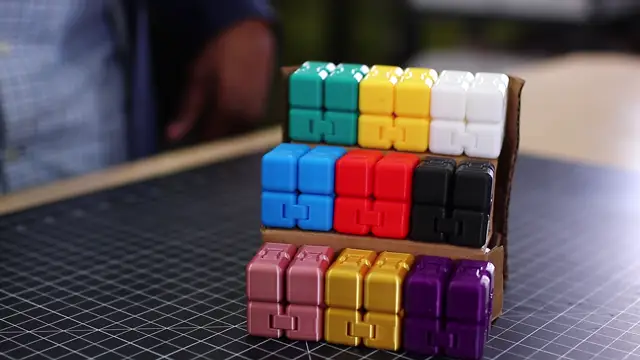 BH-0005
 Invent a two-in-one block standInvente un soporte dos en uno para bloques
For International Women's Day, follow inventor Sarah E. Goode and design something that does two jobs: a cardboard case that carries your blocks and shows them off.Para el Día Internacional de la Mujer, siga a la inventora Sarah E. Goode y diseñe algo que haga dos trabajos: un estuche de cartón que lleva sus bloques y los exhibe.
- Ways in:Formas de empezar:
- ReadLeer
- DoHacer
Best for ages 8 and upIdeal desde los 8 años
ManufacturingManufacturaDesignDiseño
Free BYRD, CC BYLessonLección
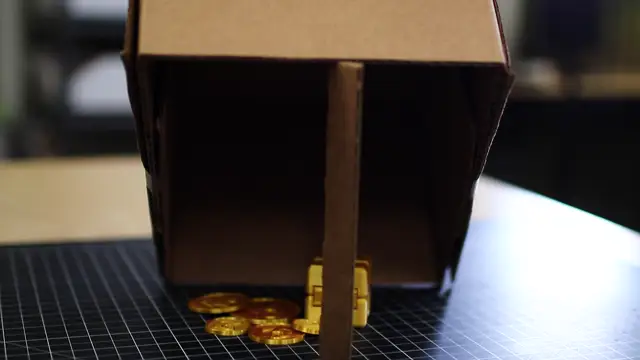 BH-0007
 Engineer a leprechaun trapDiseñe una trampa para duendes
For St. Patrick's Day, take a trap from problem to prototype with the seven steps of the engineering design process.Para el Día de San Patricio, lleve una trampa del problema al prototipo con los siete pasos del proceso de diseño de ingeniería.
- Ways in:Formas de empezar:
- ReadLeer
- DoHacer
- SimulateSimular
Best for ages 6 and upIdeal desde los 6 años
ManufacturingManufacturaDesignDiseño
Free BYRD, CC BYLessonLección
Design a product for one personDiseñe un producto para una sola persona
Interview someone at home, list what they need, build a prototype for them, and add up what it costs to make.Entreviste a alguien de su casa, anote lo que necesita, construya un prototipo para esa persona y sume cuánto cuesta hacerlo.
- Ways in:Formas de empezar:
- ReadLeer
- DoHacer
Best for ages 10 and upIdeal desde los 10 años
ManufacturingManufacturaDesignDiseño
Free BYRD, CC BYHome activityActividad en casa