

ExploreExplorarBH-0044
Read the power labels and test a solar calculator by angleLea las etiquetas de potencia y pruebe una calculadora solar según el ángulo
Read volts and amps on charger labels and multiply them into watts, rank what plugs in at home, then tilt a solar calculator through angles and light levels to see that the label is only the ideal.Lea los voltios y los amperios en las etiquetas de los cargadores y multiplíquelos para obtener vatios, ordene lo que se enchufa en casa, y luego incline una calculadora solar en distintos ángulos y niveles de luz para ver que la etiqueta es solo el ideal.
- Ways in:Formas de empezar:
- Read, 3 minutesLeer, 3 minutos
- Do, 30 minutesHacer, 30 minutos
- Simulate, 5 minutesSimular, 5 minutos
- AgesEdades
- Every age. Best for ages 12 and up.Todas las edades. Ideal desde los 12 años.
- CostCosto
- Things already at homeCosas que ya hay en casa
- From the curriculumDel currículo
- STEM-HS-09
The MESH'D components this item uses:Los componentes MESH'D que usa:ElectronicsElectrónica
Do, about 30 minutesHacer, unos 30 minutos
Build it at homeConstrúyalo en casa
StepsPasos
- Unplug a phone charger and find the output line on its label: volts and amps. Multiply them: that is watts.Desenchufe un cargador de teléfono y busque la línea de salida en su etiqueta: voltios y amperios. Multiplíquelos: eso son vatios.
- Make a table of five things that plug in: name, volts, amps or watts from the label, and the watts you computed or read.Haga una tabla de cinco cosas que se enchufan: nombre, voltios, amperios o vatios según la etiqueta, y los vatios que calculó o leyó.
- Rank them from least to most. Which one surprises you?Ordénelos de menos a más. ¿Cuál le sorprende?
- Take the solar calculator to a window. Face its panel straight at the light; it turns on.Lleve la calculadora solar a una ventana. Ponga su panel de frente a la luz; se enciende.
- Tilt it away in steps of an eighth of a turn. Write down the angle at which the display fades.Inclínela en pasos de un octavo de vuelta. Anote el ángulo en el que se apaga la pantalla.
- Repeat at a different time of day or under a lamp, and write the light level in words.Repita a otra hora del día o bajo una lámpara, y escriba el nivel de luz con palabras.
- Cover part of the solar strip and note how much shade turns it off.Tape parte de la tira solar y anote cuánta sombra la apaga.
- Write one sentence: the label is the ideal, and here is what real angle and light did.Escriba una oración: la etiqueta es el ideal, y esto es lo que hicieron el ángulo y la luz reales.
What you needLo que necesita
- The labels on a phone charger, a laptop adapter, a light bulb, a fan and a toasterLas etiquetas de un cargador de teléfono, un adaptador de computadora portátil, un foco, un ventilador y una tostadora
- Paper and a pencil for the tablePapel y lápiz para la tabla
- A solar-powered calculator; many desk calculators have a solar stripUna calculadora solar; muchas calculadoras de escritorio tienen una tira solar
- A window, and a lamp for the eveningUna ventana, y una lámpara para la noche
- A protractor, or a sheet of paper folded to mark a quarter turn and an eighthUn transportador, o una hoja de papel doblada para marcar un cuarto de vuelta y un octavo
Things already at home.Cosas que ya hay en casa.
Read labels only: never open a charger, an adapter or a power supply, and never touch outlet wiring, which is never learner work. Unplug a charger with dry hands before turning it over to read it. All learner electrical work is low-voltage direct current, twelve volts or less. Batteries: alkaline and NiMH are the defaults; lithium pouch and LiPo cells are not for home builds without a responsible adult's written approval, and no battery is ever charged unattended. If younger children are nearby, count any coin cells out and back in and never leave one loose, because a swallowed coin cell can cause severe injury. Never look at the sun.Solo lea etiquetas: nunca abra un cargador, un adaptador ni una fuente de alimentación, y nunca toque el cableado de un tomacorriente, que nunca es trabajo de estudiantes. Desenchufe el cargador con las manos secas antes de voltearlo para leerlo. Todo trabajo eléctrico de los estudiantes es de corriente directa de bajo voltaje, doce voltios o menos. Baterías: las alcalinas y las NiMH son las predeterminadas; las celdas de litio tipo bolsa y las LiPo no son para proyectos en casa sin la aprobación por escrito del adulto responsable, y ninguna batería se carga jamás sin supervisión. Si hay niños más pequeños cerca, cuente las pilas de botón al sacarlas y al guardarlas y nunca deje una suelta, porque tragarse una pila de botón puede causar lesiones graves. Nunca mire al sol.
Read, 3 minutesLeer, 3 minutos
The big ideaLa gran idea
Power is volts times amps, and it is written on almost everything that plugs in. A phone charger's label gives its output in volts and amps; multiply them and you have its rated power in watts. Volts push, amps are the flow, and watts are how fast energy moves. A solar panel's label is its output under ideal test conditions; real output changes with angle and light, as your own measurements show. Efficiency near one hundred percent is not normal, because real circuits lose energy along the way. And batteries are not all the same: chemistries differ in how they charge, how they fail and how they must be handled, which is why learner builds use alkaline and NiMH cells.La potencia es voltios por amperios, y está escrita en casi todo lo que se enchufa. La etiqueta de un cargador de teléfono da su salida en voltios y amperios; multiplíquelos y tendrá su potencia nominal en vatios. Los voltios empujan, los amperios son el flujo y los vatios son qué tan rápido se mueve la energía. La etiqueta de un panel solar es su salida en condiciones ideales de prueba; la salida real cambia con el ángulo y la luz, como muestran sus propias mediciones. Una eficiencia cercana al cien por ciento no es normal, porque los circuitos reales pierden energía en el camino. Y las baterías no son todas iguales: las químicas difieren en cómo se cargan, cómo fallan y cómo deben manejarse, y por eso los proyectos de estudiantes usan pilas alcalinas y NiMH.
Simulate, 5 minutesSimular, 5 minutos
Volts, ohms and amps: Ohm's lawVoltios, ohmios y amperios: la ley de Ohm
Light a bulb from a battery, add a resistor in a row or side by side, and read the volts and amps on a multimeter, the way an electrician checks a circuit.Encienda un foco con una pila, agregue una resistencia en fila o lado a lado, y lea los voltios y amperios en un multímetro, como revisa un circuito un electricista.
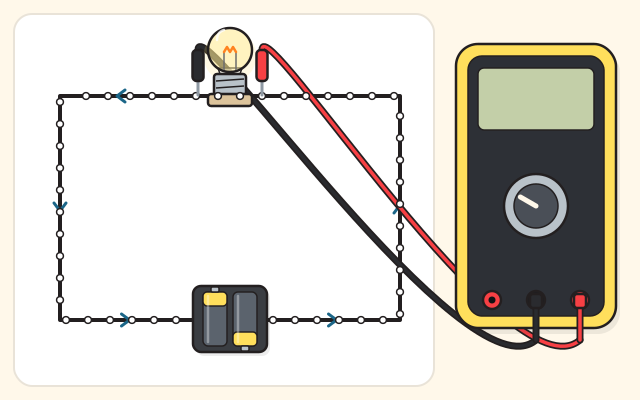
The drawing shows where it starts. It runs here once its script has loaded.El dibujo muestra dónde empieza. Funciona aquí una vez que carga su código.
Your challengeSu reto
- Light the bulb to its full brightness, but no brighter.Encienda el foco a toda su luz, pero no más. Not done yet.Todavía no.
- In a row, find the resistor that shares the battery's volts about equally with the bulb.En fila, encuentre la resistencia que se reparte los voltios de la pila casi por igual con el foco. Not done yet.Todavía no.
- Side by side, make the battery give at least twice the bulb's current.Lado a lado, haga que la pila dé por lo menos el doble de la corriente del foco. Not done yet.Todavía no.
- Set the meter to amps and make it read one hundred milliamps from the battery, give or take three.Ponga el medidor en amperios y haga que marque cien miliamperios de la pila, tres más o tres menos. Not done yet.Todavía no.
Every challenge done. Now try it for real at home.Todos los retos logrados. Ahora pruébelo de verdad en casa.
Current through the bulbCorriente por el foco
The meter readsEl medidor marca
Current from the batteryCorriente de la pila
Ohm's law for the bulb ofLey de Ohm para el foco de :
Current is volts divided by ohms. The dots are the moving charge, out of the battery's plus side, through the parts and back. The meter reads volts with its probes on both ends of a part; to read amps, the current must flow through it, so it goes into the loop. The bar fills at what the bulb is made for.La corriente es los voltios divididos entre los ohmios. Los puntos son la carga en movimiento: sale del lado positivo de la pila, pasa por las partes y regresa. El medidor lee voltios con sus puntas en los dos extremos de una parte; para leer amperios, la corriente tiene que pasar por él, así que se pone dentro del circuito. La barra se llena con lo que aguanta el foco.
What is happeningQué está pasando
A battery pushes, and its push is measured in volts. A part holds the current back, and its hold is measured in ohms. The current that flows is measured in amps, and it is the push divided by the hold: amps equal volts divided by ohms. That is Ohm's law. More volts give more current; more ohms give less.Una pila empuja, y su empuje se mide en voltios. Una parte frena la corriente, y lo que frena se mide en ohmios. La corriente que pasa se mide en amperios, y es el empuje dividido entre lo que frena: los amperios son los voltios divididos entre los ohmios. Esa es la ley de Ohm. Más voltios dan más corriente; más ohmios dan menos.
Put a resistor in a row with the bulb and there is only one path, so the same current flows through both. Their ohms add up, so less current flows, and the battery's volts are shared between them: the bulb gets only part of the push, and it is dimmer.Si pone una resistencia en fila con el foco, hay un solo camino, así que la misma corriente pasa por los dos. Sus ohmios se suman, así que pasa menos corriente, y los voltios de la pila se reparten entre ellos: el foco recibe solo parte del empuje, y brilla menos.
Put them side by side and each one gets the battery's full push. The bulb is just as bright as alone, the resistor takes its own current too, and the battery has to give both currents at once, so it runs down faster.Si los pone lado a lado, cada uno recibe todo el empuje de la pila. El foco brilla igual que solo, la resistencia también toma su propia corriente, y la pila tiene que dar las dos corrientes a la vez, así que se gasta más rápido.
A multimeter measures both. To read volts, touch its two probes to the two ends of a part. To read amps, the current has to flow through the meter, so you open the loop and put the meter into it.Un multímetro mide las dos cosas. Para leer voltios, toque con sus dos puntas los dos extremos de una parte. Para leer amperios, la corriente tiene que pasar por el medidor, así que se abre el circuito y se pone el medidor dentro.
Things to tryCosas para probar
- Add one cell at a time and watch the current climb. Does it climb by the same amount each time?Agregue una pila a la vez y vea cómo sube la corriente. ¿Sube lo mismo cada vez?
- Put the resistor in a row with the bulb and measure the volts across each part. Add them up.Ponga la resistencia en fila con el foco y mida los voltios en cada parte. Súmelos.
- Switch from in a row to side by side and watch what happens to the bulb and to the battery's current.Cambie de en fila a lado a lado y vea qué les pasa al foco y a la corriente de la pila.
- Try the smallest resistor side by side with six cells. What would happen to a real resistor?Pruebe la resistencia más pequeña lado a lado con seis pilas. ¿Qué le pasaría a una resistencia de verdad?
This is a model. It holds the bulb at the resistance it has when lit; a real bulb's wire has much less resistance when cold, so at low voltage a real bulb takes more current than shown. Real batteries lose a little voltage as they work and as they run down, and a real meter takes a tiny bit from the circuit.Esto es un modelo. Mantiene el foco con la resistencia que tiene encendido; el alambre de un foco real tiene mucha menos resistencia en frío, así que con poco voltaje un foco real toma más corriente de la que se muestra. Las pilas reales pierden un poco de voltaje al trabajar y al gastarse, y un medidor real le quita un poquito al circuito.
Open the simulation on its own pageAbrir la simulación en su propia página
Your engineering challengeSu reto de ingeniería
Rank five things that plug in at home from least to most watts using only their labels, then find the angle to a window at which a solar calculator stays on with the least light, and explain why the label on any solar panel is the best case.Ordene cinco cosas que se enchufan en casa de menos a más vatios usando solo sus etiquetas, luego encuentre el ángulo hacia una ventana en el que una calculadora solar sigue encendida con la menor luz, y explique por qué la etiqueta de cualquier panel solar es el mejor de los casos.
Make it an experimentConviértalo en un experimento
Science is about changing one thing and watching what happens. Write down your guess, your hypothesis, before you start.La ciencia se trata de cambiar una cosa y observar qué pasa. Escriba su suposición, su hipótesis, antes de empezar.
- Angle: face the calculator's panel flat to the window, then tilt it away in steps of an eighth of a turn. At which angle does the display fade?Ángulo: ponga el panel de la calculadora de frente a la ventana, y luego inclínelo en pasos de un octavo de vuelta. ¿En qué ángulo se apaga la pantalla?
- Light level: the same angle at midday, at dusk and under one lamp. Does the display hold?Nivel de luz: el mismo ángulo a mediodía, al atardecer y bajo una sola lámpara. ¿La pantalla aguanta?
- Shade half of the solar strip with your thumb against a quarter of it. How much shade does it take?Tape la mitad de la tira solar con el pulgar contra un cuarto de ella. ¿Cuánta sombra hace falta?
Use it, share it, adapt itÚsela, compártala, adáptela
The credit to copyEl crédito para copiar
Free BYRD, CC BY. “Read the power labels and test a solar calculator by angle” from the Byrd Academy STEM Curriculum by Byrd EDU, byrdathome.org.Free BYRD, CC BY. “Lea las etiquetas de potencia y pruebe una calculadora solar según el ángulo”, del Currículo STEM de Byrd Academy, de Byrd EDU, byrdathome.org.
This is free to use, share and adapt, even commercially, under the Creative Commons Attribution 4.0 International license (CC BY 4.0), with this credit. What Free BYRD means.Esto es libre de usar, compartir y adaptar, incluso con fines comerciales, bajo la licencia Creative Commons Atribución 4.0 Internacional (CC BY 4.0), con este crédito. Qué significa Free BYRD.
Keep goingSiga adelante
What to do nextQué hacer después
Make it harderHágalo más difícil
Find a solar garden light or a small panel and read its rated watts, then estimate how long it would take at that rating to charge a phone whose battery label gives milliamp-hours, and say why the real time is longer. Compute the efficiency you would need to match the estimate.Busque una lámpara solar de jardín o un panel pequeño y lea sus vatios nominales, luego estime cuánto tardaría a esa potencia en cargar un teléfono cuya etiqueta de batería da miliamperios-hora, y diga por qué el tiempo real es mayor. Calcule la eficiencia que necesitaría para igualar la estimación.
For a younger onePara alguien más pequeño
The younger one reads the numbers off the labels beside a grown-up and tilts the calculator while you watch the display, calling out on or off at each angle.La niña o el niño lee los números de las etiquetas junto a una persona adulta e inclina la calculadora mientras usted mira la pantalla, diciendo encendida o apagada en cada ángulo.
Try this nextPruebe esto después
Volts, ohms and amps: Ohm's lawVoltios, ohmios y amperios: la ley de Ohm
Light a bulb from a battery, add a resistor in a row or side by side, and read the volts and amps on a multimeter, the way an electrician checks a circuit.Encienda un foco con una pila, agregue una resistencia en fila o lado a lado, y lea los voltios y amperios en un multímetro, como revisa un circuito un electricista.
- Ways in:Formas de empezar:
- SimulateSimular
Best for ages 8 and upIdeal desde los 8 años
ElectronicsElectrónica
Free BYRD, CC BYSimulationSimulación
The power grid, from the power plant to your homeLa red eléctrica, de la central a su casa
Ride along with electricity from a power plant's spinning generator, up onto high-voltage lines, down through a substation and the transformer on your street, to the meter on your wall, while people keep supply and demand in balance.Acompañe a la electricidad desde el generador que gira en una central, por las líneas de alto voltaje, a través de una subestación y del transformador de su calle, hasta el medidor de su pared, mientras unas personas mantienen en equilibrio la oferta y la demanda.
- Ways in:Formas de empezar:
- TourRecorrer
Best for ages 5 and upIdeal desde los 5 años
ElectronicsElectrónica
Free BYRD, CC BYVirtual tourRecorrido virtual
 BH-0006
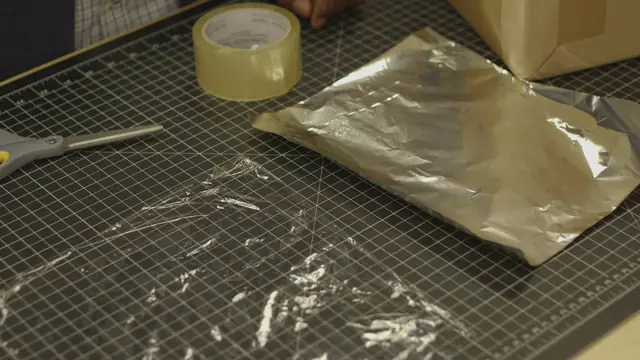
 Build a solar ovenConstruya un horno solar
Turn a box, foil and clear plastic into an oven the sun heats, made for Pi Day to keep a pie warm.Convierta una caja, papel de aluminio y plástico transparente en un horno que calienta el sol, hecho para el Día de Pi para mantener caliente un pastel.
- Ways in:Formas de empezar:
- ReadLeer
- DoHacer
- SimulateSimular
Best for ages 8 and upIdeal desde los 8 años
ManufacturingManufacturaElectronicsElectrónica
Free BYRD, CC BYLessonLección
 SIM-0003
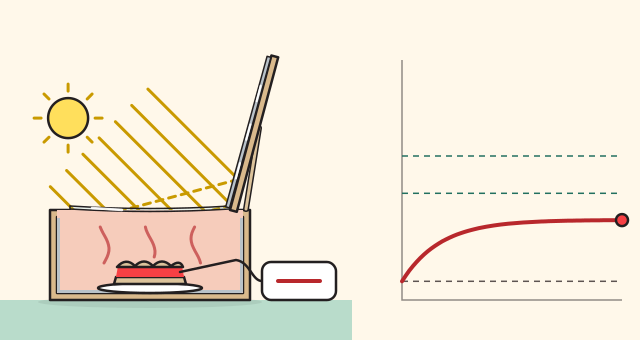
 Heat in a solar ovenEl calor en un horno solar
Aim your oven at the sun, add foil, plastic and newspaper, and watch the temperature inside climb over an hour until the food is hot.Apunte su horno al sol, agregue papel de aluminio, plástico y periódico, y vea subir la temperatura adentro durante una hora hasta que la comida esté caliente.
- Ways in:Formas de empezar:
- SimulateSimular
Best for ages 8 and upIdeal desde los 8 años
ManufacturingManufacturaElectronicsElectrónica
Free BYRD, CC BYSimulationSimulación